
In recent years, teahouses in Chengdu have continued to gain popularity and break into the mainstream. With its Gaiwan Tea (lidded cup tea), the city is quietly setting off a new wave in urban consumption.
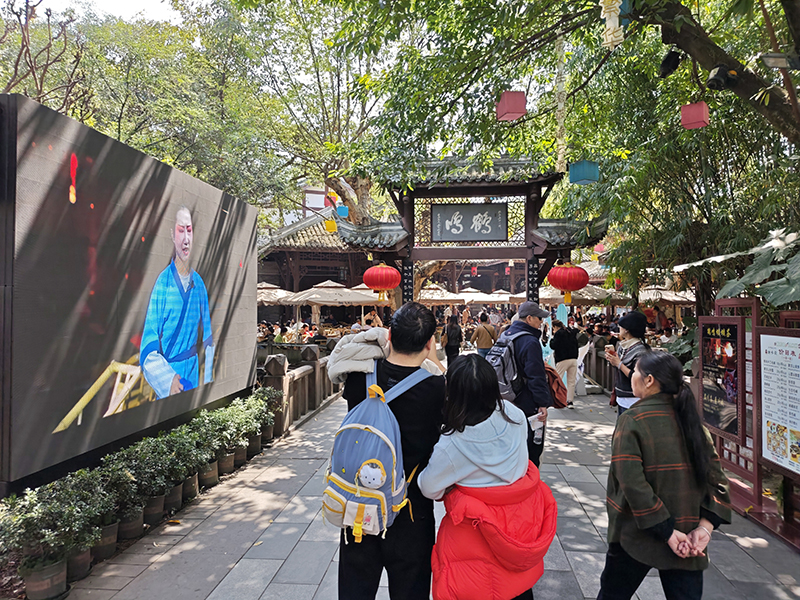
Heming Teahouse
At various teahouses in Qingyang District, Chengdu, seats are always full — whether on weekdays or weekends — and the air buzzes with lively conversation. The tea drinkers include both Chengdu locals and out-of-town visitors.
“For me, going to a teahouse is a lifestyle. It’s a place of freedom and relaxation. When I’m hungry, I just grab something to eat at the teahouse — it’s very convenient,” says Mrs. Yu, who often visits Daqi Teahouse with friends. “The teahouse is more like a free living room. I meet up with friends here — it’s spacious. We bring some snacks, order a 10-yuan cup of tea, and half a day just slips by. When we’re tired of chatting, we play on our phones or just zone out — you can do whatever you want.”
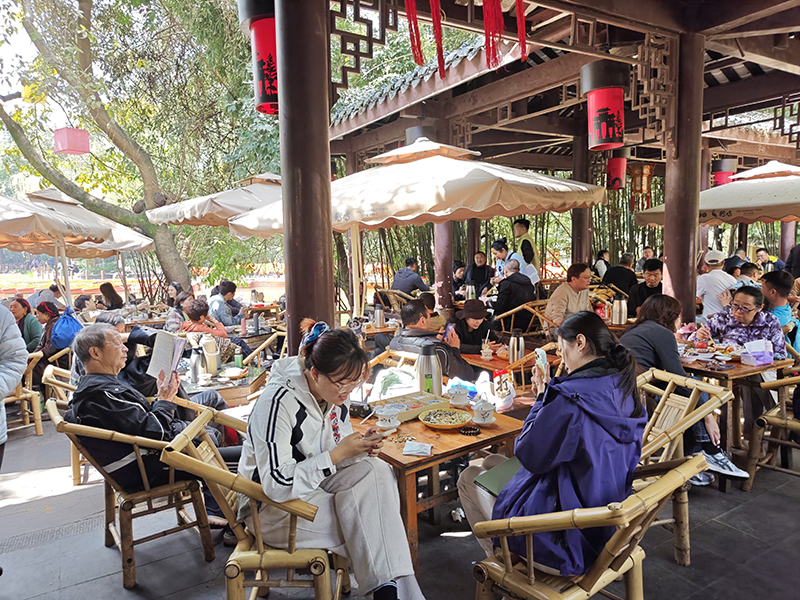
Teahouse packed with customers
In recent years, the earthy, laid-back atmosphere of teahouses has gone viral online. More and more tourists now choose to visit a teahouse when they come to Chengdu, eager to experience what it’s like to live like a local.
In Chengdu, a teahouse is more than just a public space for tea and conversation — it also serves as a hub for experiencing intangible cultural heritage, cultural performances, and food. Once seated, customers tend to stay for half a day. That long, immersive stay naturally translates into sustained spending.
Today’s teahouses have long outgrown the description by writer Li Jieren as “merely a place for tea in name only.” Its revenue streams are multiplying as the teahouse economy becomes deeply embedded in the entire consumption chain of eating, staying, traveling, shopping, and entertainment, continuously turning the flow of cultural tourism into additional consumer spending.
1、“國際在線”由中國國際廣播電台主辦。經中國國際廣播電台授權,國廣國際在線網絡(北京)有限公司獨家負責“國際在線”網站的市場經營。
2、凡本網註明“來源:國際在線”的所有信息內容,未經書面授權,任何單位及個人不得轉載、摘編、複製或利用其他方式使用。
3、“國際在線”自有版權信息(包括但不限于“國際在線專稿”、“國際在線消息”、“國際在線XX消息”“國際在線報道”“國際在線XX報道”等信息內容,但明確標注為第三方版權的內容除外)均由國廣國際在線網絡(北京)有限公司統一管理和銷售。
已取得國廣國際在線網絡(北京)有限公司使用授權的被授權人,應嚴格在授權範圍內使用,不得超範圍使用,使用時應註明“來源:國際在線”。違反上述聲明者,本網將追究其相關法律責任。
任何未與國廣國際在線網絡(北京)有限公司簽訂相關協議或未取得授權書的公司、媒體、網站和個人均無權銷售、使用“國際在線”網站的自有版權信息産品。否則,國廣國際在線網絡(北京)有限公司將採取法律手段維護合法權益,因此産生的損失及為此所花費的全部費用(包括但不限于律師費、訴訟費、差旅費、公證費等)全部由侵權方承擔。
4、凡本網註明“來源:XXX(非國際在線)”的作品,均轉載自其它媒體,轉載目的在於傳遞更多信息,豐富網絡文化,此類稿件並不代表本網贊同其觀點和對其真實性負責。
5、如因作品內容、版權和其他問題需要與本網聯繫的,請在該事由發生之日起30日內進行。